Best Materials Used in Automobile Manufacturing Industry
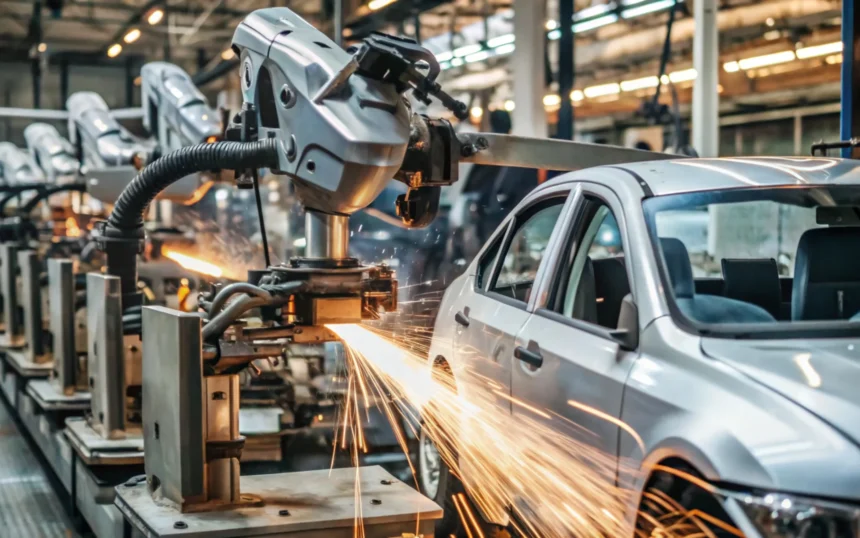
The automobile manufacturing industry depends heavily on advanced materials to improve vehicle performance, safety, fuel efficiency, durability, and overall reliability. Modern vehicles are designed using a combination of metals and alloys that can withstand high temperatures, pressure, corrosion, and mechanical stress while keeping the vehicle lightweight and efficient.
From engine components and exhaust systems to structural frames and suspension parts, different materials are selected based on their strength, corrosion resistance, heat resistance, and performance capabilities.
In this blog, we will explore the most commonly used materials in the automobile manufacturing industry and why they are important for modern automotive applications.
Importance of Material Selection in Automobile Manufacturing
Choosing the right material is one of the most important factors in automotive engineering. The correct material helps manufacturers achieve:
- Better fuel efficiency
- Improved vehicle safety
- Enhanced durability
- Reduced vehicle weight
- Higher performance
- Longer component lifespan
- Better corrosion resistance
As the automotive industry evolves toward electric vehicles and high-performance systems, advanced materials are becoming increasingly important.
Common Materials Used in Automobile Manufacturing Industry
1. Stainless Steel
Stainless Steel is one of the most widely used materials in the automotive industry due to its excellent strength, corrosion resistance, and durability.
Applications of Stainless Steel in Automobiles
- Exhaust systems
- Structural components
- Fuel tanks
- Chassis parts
- Fasteners
- Trim components
Benefits
- High corrosion resistance
- Good heat resistance
- Long service life
- Cost-effective material
- Strong mechanical properties
Stainless steel is especially important in components exposed to moisture, heat, and road chemicals.
2. Titanium
Titanium is widely used in high-performance and luxury vehicles because of its lightweight nature and exceptional strength.
Automotive Applications of Titanium
- Exhaust systems
- Engine valves
- Connecting rods
- Suspension springs
- Racing car components
Benefits
- Lightweight material
- Excellent heat resistance
- High strength-to-weight ratio
- Superior corrosion resistance
- Improved vehicle performance
Titanium is commonly used in sports cars and motorsports where reducing weight is critical.
3. Inconel Alloys
Inconel is a high-performance nickel alloy known for outstanding heat resistance and oxidation resistance.
Applications of Inconel in Automotive Industry
- Turbocharger systems
- Exhaust manifolds
- High-temperature engine parts
- Racing exhaust systems
Benefits
- Excellent high-temperature strength
- Oxidation resistance
- Thermal stability
- High durability under extreme conditions
Inconel is commonly used in racing and high-performance automotive applications.
4. Aluminum
Aluminum is one of the most popular lightweight materials used in modern vehicle manufacturing.
Applications of Aluminum
- Engine blocks
- Wheels
- Body panels
- Transmission housings
- Suspension components
Benefits
- Lightweight
- Corrosion resistant
- Good thermal conductivity
- Improved fuel economy
Automobile manufacturers use aluminum extensively to reduce vehicle weight and improve efficiency.
5. Carbon Steel
Carbon Steel remains one of the most commonly used automotive materials because of its strength and affordability.
Applications
- Vehicle frames
- Body structures
- Chassis systems
- Reinforcement components
Benefits
- High strength
- Cost-effective
- Easy fabrication
- Good durability
Although heavier than advanced alloys, carbon steel is still widely used for structural automotive components.
6. Nickel Alloys
Nickel Alloy materials are widely used in automotive systems exposed to high heat and corrosion.
Applications
- Exhaust valves
- Turbocharger parts
- High-temperature fasteners
- Engine components
Benefits
- Excellent heat resistance
- Corrosion resistance
- High mechanical strength
- Long service life
Nickel alloys are commonly used in performance engines and heavy-duty automotive applications.
7. Copper and Copper Alloys
Copper is essential in modern vehicles because of its excellent electrical conductivity.
Applications
- Electrical wiring
- Battery systems
- Connectors
- Electric vehicle components
Benefits
- High conductivity
- Corrosion resistance
- Reliable electrical performance
Electric vehicles especially rely heavily on copper-based systems.
Why Advanced Materials are Important in Modern Vehicles
Modern vehicles require materials that can handle:
- Higher temperatures
- Increased pressure
- Fuel efficiency standards
- Emission regulations
- Lightweight vehicle requirements
Advanced materials help automotive manufacturers improve:
- Vehicle safety
- Engine efficiency
- Environmental performance
- Driving comfort
- Long-term reliability
Materials Used in Electric Vehicles (EVs)
Electric vehicle manufacturing has significantly increased the demand for lightweight and high-performance materials.
Common EV materials include:
- Aluminum
- Copper
- Titanium
- Stainless steel
- Nickel alloys
These materials help improve:
- Battery efficiency
- Driving range
- Charging performance
- Structural strength
Future of Materials in Automobile Manufacturing
The automotive industry continues to develop advanced materials for:
- Electric vehicles
- Autonomous vehicles
- High-performance sports cars
- Sustainable transportation systems
Future trends include:
- Lightweight alloys
- Advanced composites
- High-strength titanium alloys
- Heat-resistant superalloys
- Sustainable recyclable materials
As automotive technology evolves, advanced industrial metals will continue to play a major role in improving vehicle performance and efficiency.