Why Titanium is Used in Aerospace Industry
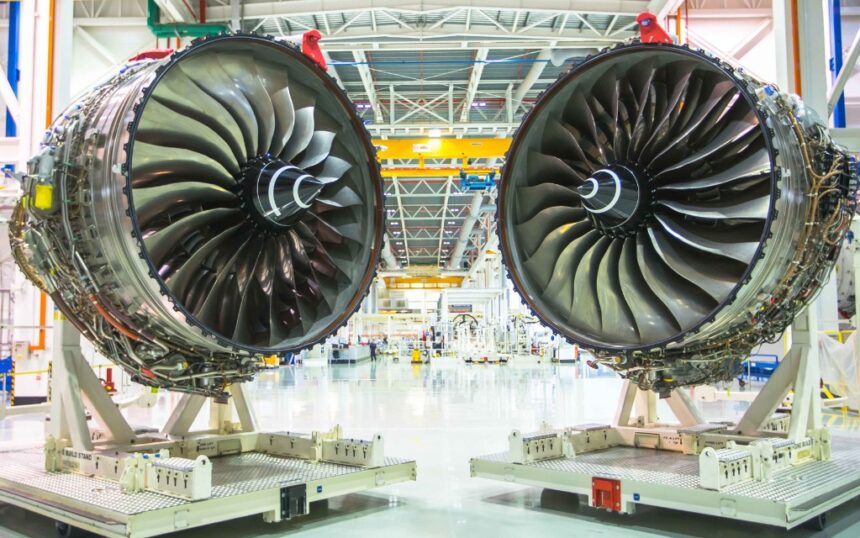
The aerospace industry demands materials that are strong, lightweight, corrosion-resistant, and capable of performing under extreme temperatures. Among all industrial metals, Titanium has become one of the most preferred materials in aircraft manufacturing and aerospace engineering. From jet engines and aircraft frames to spacecraft components, titanium plays a major role in improving performance, fuel efficiency, and durability.
In this blog, we will explore why titanium is widely used in the aerospace industry, its advantages, common grades, applications, and why aerospace manufacturers rely on titanium alloys for critical operations.
What is Titanium?
Titanium is a high-strength, low-density metal known for its exceptional corrosion resistance and heat resistance. It offers the strength of steel while being nearly 45% lighter, making it ideal for industries where weight reduction is critical.
Titanium is commonly used in industries such as:
- Aerospace
- Marine
- Medical
- Chemical processing
- Oil and gas
- Power generation
However, its largest and most important application remains the aerospace sector.
Why Titanium is Important in Aerospace Industry
1. Excellent Strength-to-Weight Ratio
One of the biggest reasons titanium is used in aerospace is its outstanding strength-to-weight ratio.
Aircraft manufacturers constantly look for ways to reduce aircraft weight because lighter aircraft consume less fuel and perform more efficiently. Titanium provides high mechanical strength while remaining much lighter than steel.
Benefits include:
- Improved fuel efficiency
- Increased payload capacity
- Better aircraft performance
- Reduced operational costs
This is why titanium is commonly used in aircraft structures and engine components.
2. High Corrosion Resistance
Aircraft and aerospace components are exposed to extreme environments, including:
- Moisture
- Saltwater
- High humidity
- Chemicals
- Atmospheric pressure variations
Titanium naturally forms a protective oxide layer that prevents corrosion. This makes it highly suitable for aerospace applications where long-term durability and reliability are essential.
Unlike many other metals, titanium resists:
- Seawater corrosion
- Oxidation
- Chemical attack
- Stress corrosion cracking
This helps aerospace manufacturers reduce maintenance costs and improve component lifespan.
3. Exceptional Heat Resistance
Jet engines and aerospace systems operate under extremely high temperatures. Titanium can withstand elevated temperatures without losing its strength.
This makes it ideal for:
- Jet engine components
- Exhaust systems
- Turbine blades
- Heat shields
- Aircraft skin exposed to high-speed airflow
Titanium alloys maintain their mechanical properties even in demanding thermal conditions, making them perfect for aerospace engineering.
4. Fatigue and Crack Resistance
Aircraft components experience continuous stress, pressure, and vibration during operation. Materials used in aerospace must handle repeated loading cycles without failure.
Titanium offers:
- High fatigue strength
- Excellent crack resistance
- Long service life
- Better structural reliability
This is especially important in critical aerospace parts where safety is the top priority.
5. Compatibility with Composite Materials
Modern aircraft use advanced composite materials such as carbon fiber reinforced polymers. Titanium works exceptionally well alongside composites because it has a similar thermal expansion rate.
This compatibility helps prevent:
- Structural deformation
- Joint failures
- Thermal stress damage
As modern aerospace manufacturing increasingly relies on composites, titanium has become even more valuable.
Common Titanium Grades Used in Aerospace
Titanium Grade 2
Titanium Grade 2 is commercially pure titanium known for excellent corrosion resistance and weldability.
Applications include:
- Hydraulic systems
- Airframe components
- Heat exchangers
- Aircraft tubing
Titanium Grade 5 (Ti-6Al-4V)
Titanium Grade 5 is the most widely used titanium alloy in aerospace applications.
It offers:
- Very high strength
- Excellent heat resistance
- Superior fatigue resistance
- Lightweight properties
Applications include:
- Jet engine parts
- Compressor blades
- Aircraft structural parts
- Landing gear components
More than half of the titanium used in aerospace is Titanium Grade 5.
Aerospace Applications of Titanium
Titanium is used in a wide range of aerospace components, including:
Aircraft Structures
- Fuselage parts
- Wing structures
- Fasteners
- Frames
Jet Engines
- Compressor blades
- Discs
- Casings
- Exhaust systems
Spacecraft Components
- Rocket engine parts
- Fuel tanks
- Structural assemblies
Hydraulic Systems
- Tubes
- Pipes
- Fittings
Advantages of Titanium in Aerospace
Lightweight Material
Titanium helps reduce aircraft weight and improve fuel efficiency.
Longer Service Life
Its corrosion and fatigue resistance improve component durability.
Reduced Maintenance
Titanium components require less maintenance compared to conventional metals.
High Reliability
It performs reliably under extreme aerospace conditions.
Improved Fuel Economy
Weight reduction directly lowers fuel consumption.